5 Aug 1986
The Cultural Advisory Committee proposed a major cultural centre for Assam.
The founding story of Kalakshetra, from the first proposal in 1986 to its dedication to the nation in 1998.
Explore this story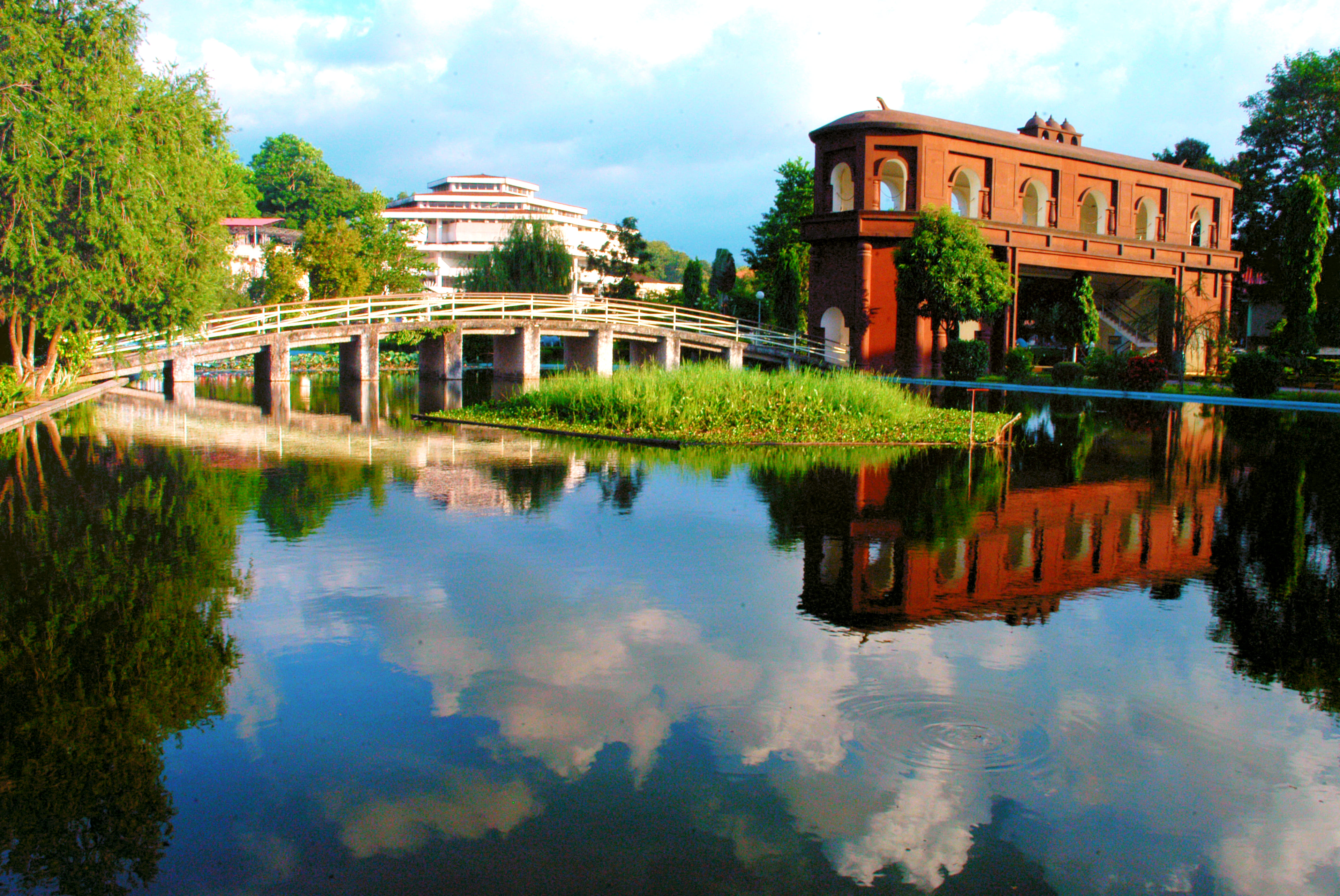
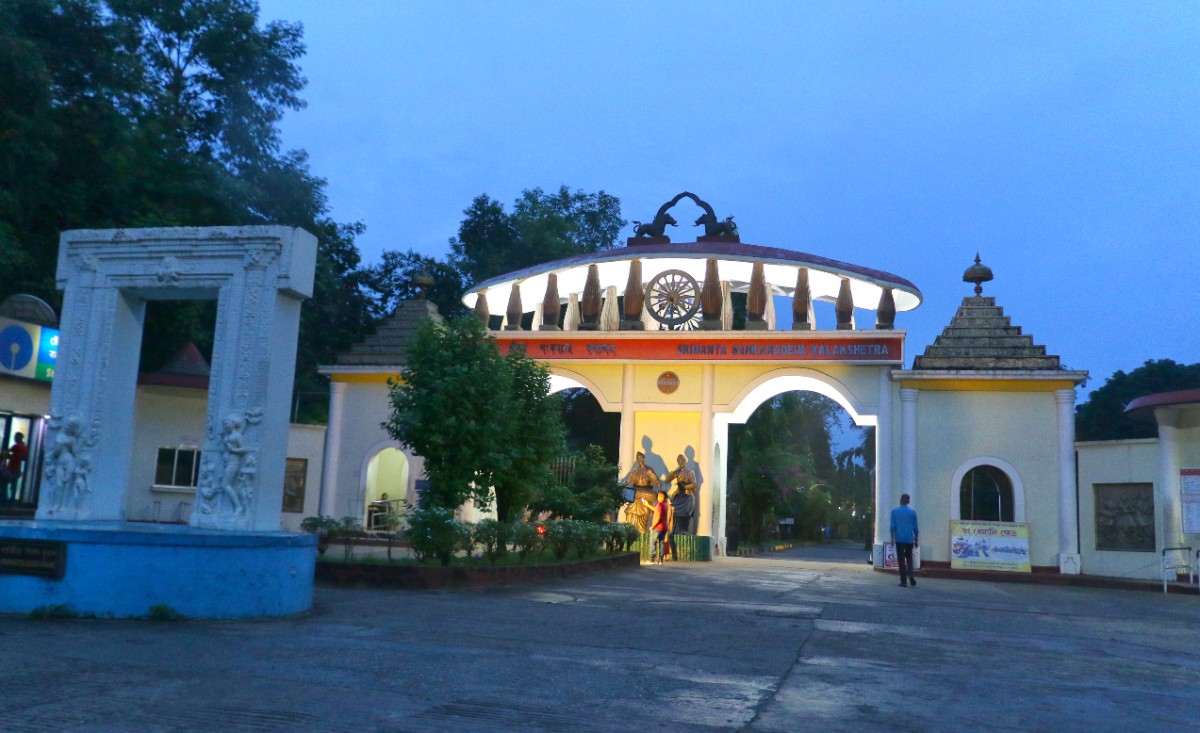 Founding Journey
The idea of a major cultural complex for Assam emerged from the Cultural Advisory Committee of the Government of Assam. At its meeting on 5 August 1986, the Committee proposed a centre for dance, drama, music, fine arts, literature and related cultural activity, with preservation and promotion of Assam's heritage at its core. A tentative plan was prepared during the same year, and the proposed complex came to be named Srimanta Sankaradeva Kalakshetra.
The Cultural Advisory Committee proposed a major cultural centre for Assam.
The foundation stone was laid by Governor Bhisma Narain Singh.
President K. R. Narayanan dedicated Kalakshetra to the nation.
The foundation stone was laid on 2 February 1988 by the then Governor of Assam, Bhisma Narain Singh. In 1990, the Government of Assam took up with the Government of India the matter of placing the project within the context of Clause VI of the Assam Accord, 1985, which concerns safeguards for the cultural, social and linguistic identity and heritage of the Assamese people. Government of India support subsequently contributed to development of the complex. On 9 November 1998, President of India K. R. Narayanan dedicated Srimanta Sankaradeva Kalakshetra to the nation.
Since then, the institution has developed into a multi-dimensional cultural complex. Its major components include Sahitya, Sangeet Natak, Lalit Kala, Sangrahalaya and Library, together with museums, galleries, research facilities, auditoriums, open-air performance areas, recording and archival facilities and visitor attractions. Its growth reflects an expanding understanding of cultural preservation: from safeguarding collections to creating platforms where heritage can be studied, performed, interpreted and renewed.