Rare photographs
Images of Bezbaroa, his family, friends and literary contemporaries, offering insights into his personal life and the cultural environment of his time.
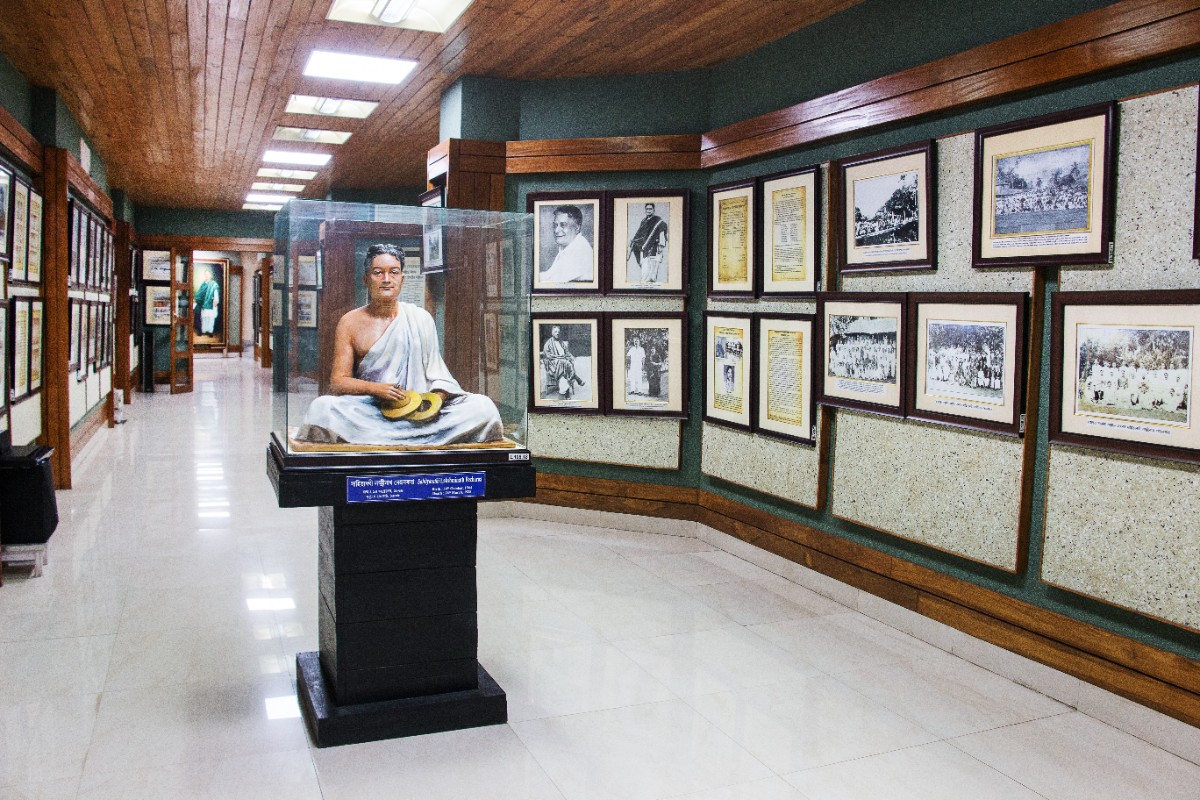
Celebrating the life, literature and enduring legacy of a pioneer of modern Assamese literature.
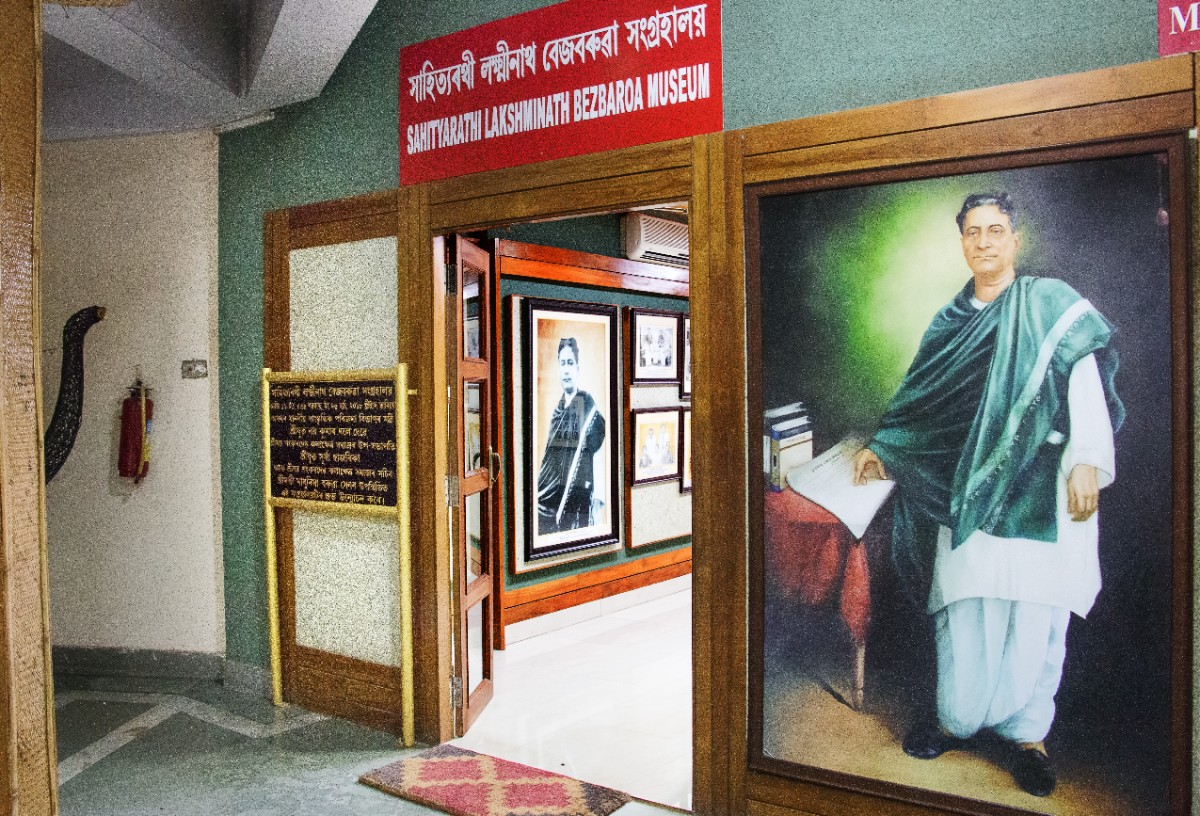
Discover the life, literary achievements and cultural contributions of Sahityarathi Lakshminath Bezbaroa (1864–1938).
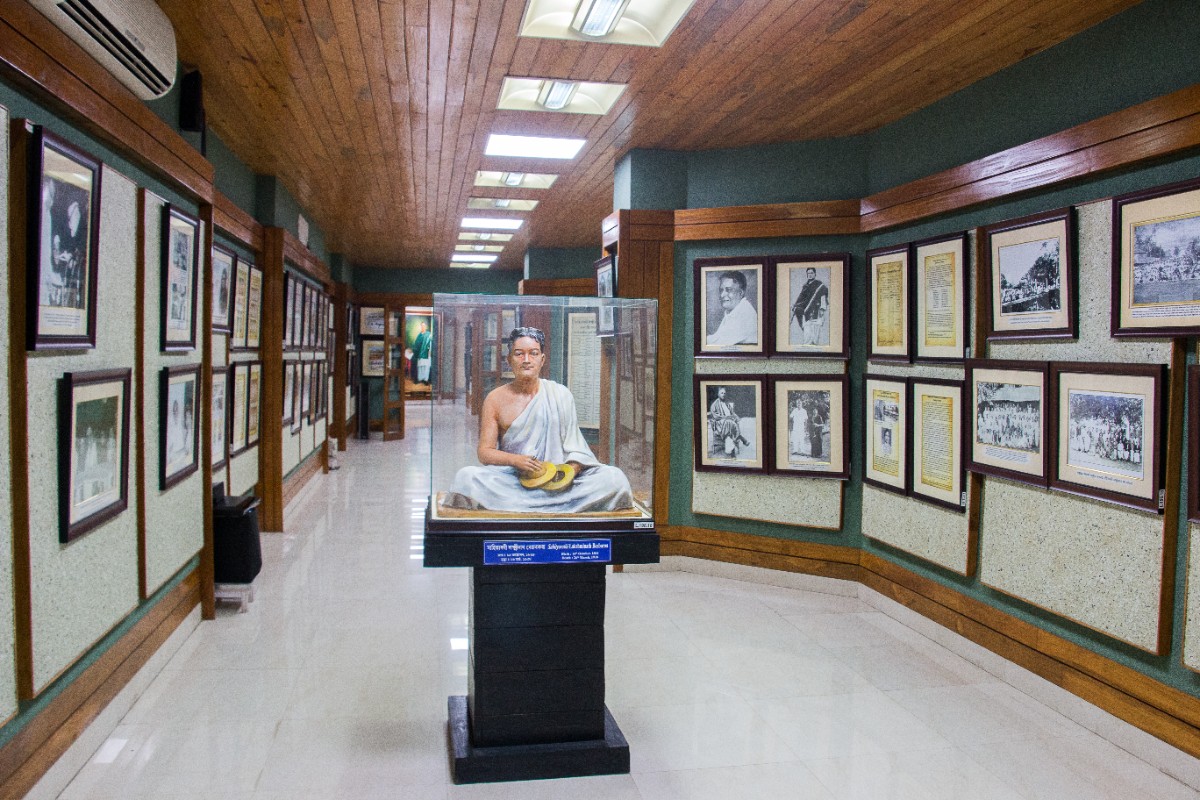
The Sahityarathi Lakshminath Bezbaroa Museum, situated within Srimanta Sankaradeva Kalakshetra at Panjabari, Guwahati, is dedicated to preserving the legacy of one of the foremost pioneers of modern Assamese literature.
The museum offers visitors a glimpse into his remarkable journey through rare photographs, literary publications, manuscripts, handwriting samples and selected personal belongings. Photographs of Bezbaroa, his family members, friends and contemporaries provide valuable insights into his personal life and the cultural environment of his time.
A closer understanding of Bezbaroa's personal, literary and intellectual life through the materials he left behind.
Images of Bezbaroa, his family, friends and literary contemporaries, offering insights into his personal life and the cultural environment of his time.
Books and publications representing his contributions to Assamese poetry, fiction, drama, satire and children's literature.
Documentary materials reflecting his literary and intellectual pursuits, including manuscripts and samples of his handwriting.
Selected objects and memorabilia associated with his life, preserving a personal connection with the writer.
Together, these exhibits provide a visual and documentary account of a personality whose creative achievements helped shape modern Assamese literature.
Poet, novelist, playwright, short-story writer, satirist, essayist and literary thinker.
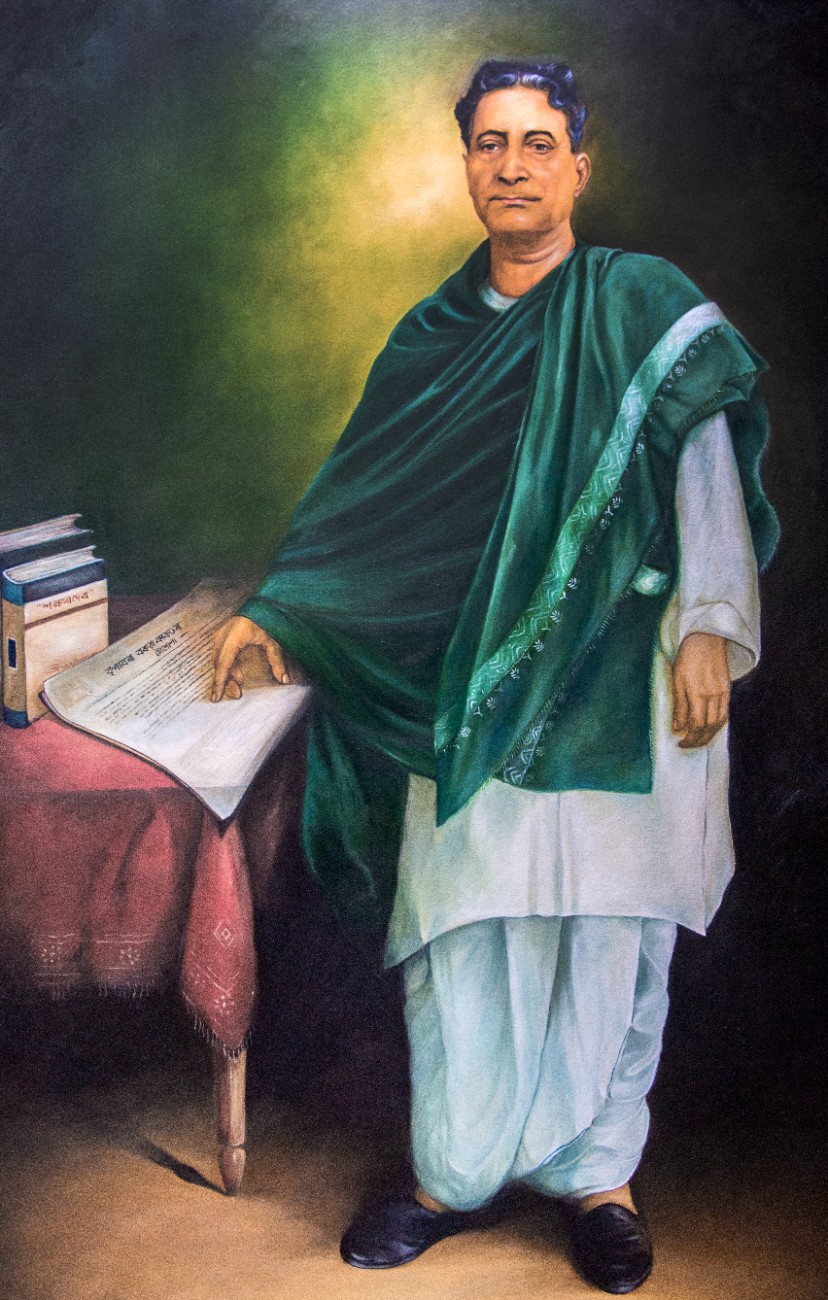
Lakshminath Bezbaroa played a defining role in the development of modern Assamese literature. A leading figure of the Jonaki Era, he contributed significantly to the Assamese literary renaissance through his creative writings, humour, social criticism and efforts to strengthen Assamese linguistic and cultural consciousness.
Affectionately known as Sahityarathi (Charioteer of Literature) and Rasaraj (King of Humour), Bezbaroa enriched Assamese literature through celebrated works such as Burhi Aair Sadhu, Padum Kunwari, Surabhi, Joymoti Kunwari and Kadam Kali.
His patriotic composition O Mur Apunar Desh, recognised as the state anthem of Assam, continues to inspire generations and remains a cherished expression of Assamese identity.
Works remembered across generationsThe birth of a writer who would become a defining voice of modern Assamese literature.
Creative writing, humour and social criticism strengthen Assamese literary expression and cultural consciousness.
Bezbaroa's writings continue to shape literary creativity and inspire appreciation for the Assamese language.
The museum opens on his 80th death anniversary, preserving his literary achievements and personal memories.
Explore the galleries, portraits and documentary displays. Select a photograph to view it in detail.
6 photographs in the collection
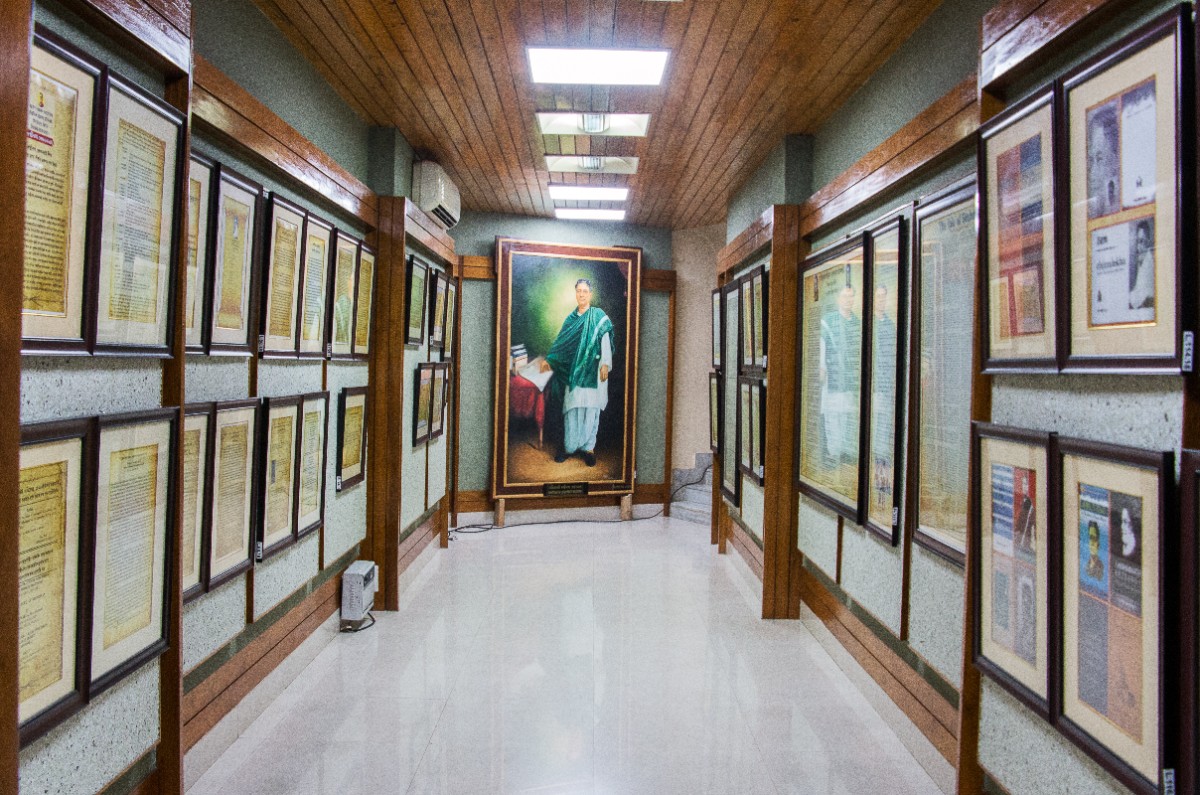
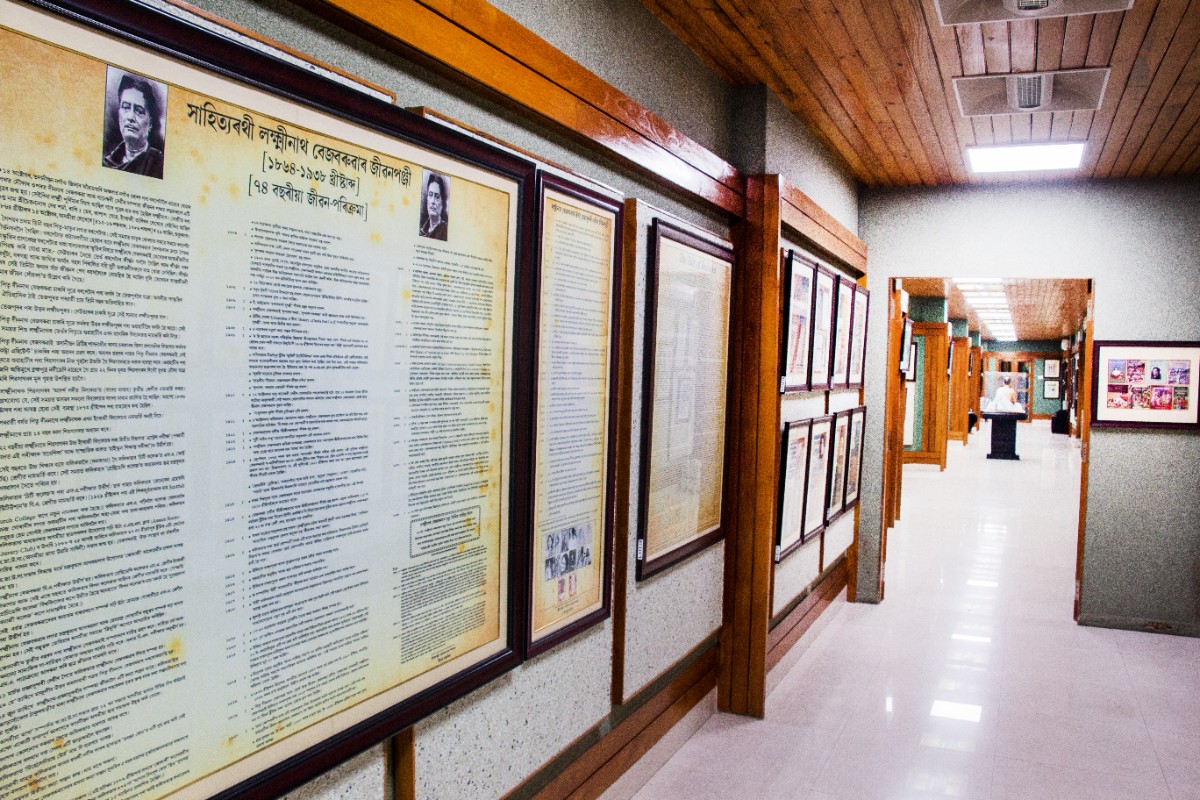
The Sahityarathi Lakshminath Bezbaroa Museum serves as an important centre for the preservation and appreciation of Assam's literary heritage.
Beyond commemorating a distinguished writer, it introduces visitors to the cultural awakening associated with the Jonaki Era and the emergence of modern Assamese literary expression.
For students, researchers, writers and general visitors, the museum offers an opportunity to explore Bezbaroa's contributions and understand the lasting influence of his writings on Assamese society.
Through the preservation of his photographs, publications and personal memories, the museum continues to inspire appreciation for the Assamese language, literary creativity and cultural identity.
Visit the museum on the first floor of Sangeet-Natak Bhawan within Srimanta Sankaradeva Kalakshetra at Panjabari, Guwahati.
For current museum opening hours, admission details and group visits, please contact Kalakshetra before travelling.